Mental health tools and resources have come a long way. As the conversation around emotional wellbeing matures, the resources supporting it have grown sharper, more personal and accessible than ever before.
In 2026, there is something quietly significant happening in how people approach their mental health. The discussion has evolved from just offering vague encouragement to actually providing tangible support with tools, structured habits, and resources that you can physically hold or easily access online. That shift has produced a generation of mental health aids that are genuinely useful, not just well-intentioned.
But with so many options circulating online, knowing where to start matters. Here are the resources that mental health professionals and everyday users are finding most valuable right now.
Mood and Emotion trackers
Tracking how you feel day by day remains one of the most evidence-backed self-care practices available. The best trackers in 2026 go beyond simple ratings and prompt you to note your energy levels, identify specific triggers, and log the coping strategies you tried.
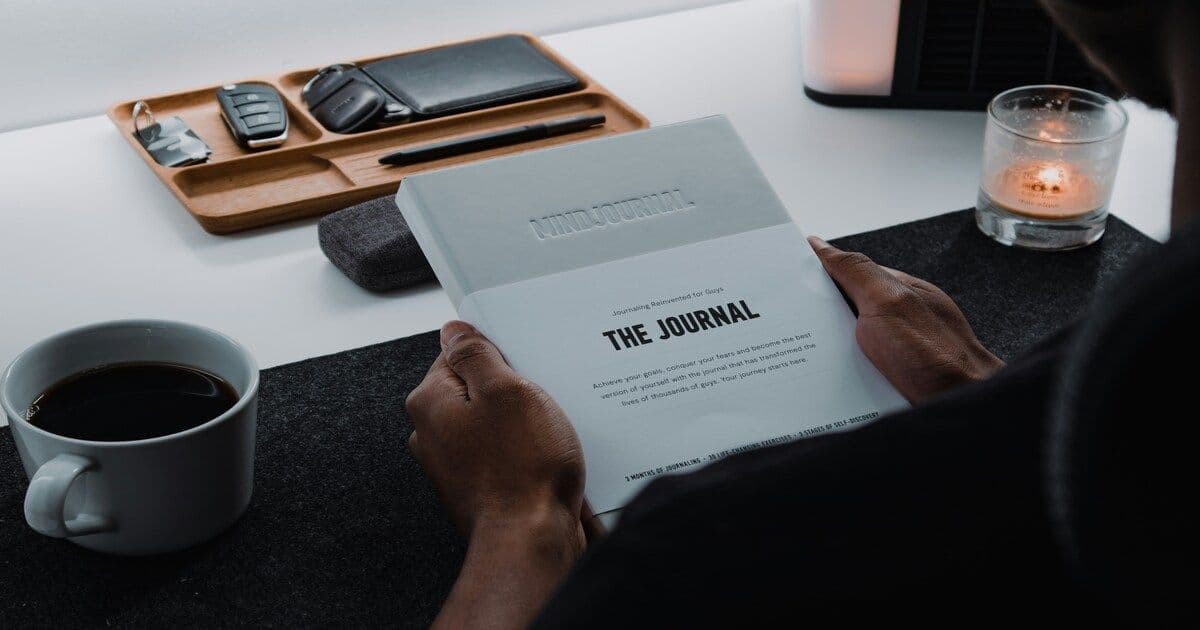
Physical journals with structured prompts are still widely preferred for their tactile, distraction-free quality, while digital versions offer the added benefit of pattern recognition over time.
Guided Worksheets and Workbooks
Writing freely about your thoughts can feel overwhelming without guidance. Guided worksheets and workbooks give structure. They include exercises like identifying stressors, mapping your emotional responses, or listing things that improved your mood today.
"The best mental health resource isn't always the most sophisticated one. It's the one you'll actually return to."
The best workbooks are designed to stand alone as well as complement therapy sessions. Whether you use them independently or alongside professional support, the structure they offer turns vague emotional awareness into something you can actually examine and work with.
Self-Assessment Tools
Self-assessment tools help you check your stress, anxiety, or burnout levels. Modern tools give step-by-step scoring and suggest next steps. They help you see whether you are having a tough week or if a pattern needs attention. Checking in regularly gives a clearer picture than a single assessment.
Mindfulness Resources
Long meditation sessions are helpful, but many people have limited time. Short mindfulness exercises work better for a busy schedule. Pocket-sized resources like breathing cards, five-minute body scans, or single-page grounding exercises help you reset anytime because they work with that reality rather than against it. A two-minute reset at your desk is not a lesser version of mindfulness. It is a sustainable one.
Reflection and Habit Kits
Reflection and habit kits are ready-made physical or printable resources that bring everything you need for daily mental wellness into one place. A well-designed kit typically includes daily reflection cards with targeted prompts, a habit tracker to monitor small routines, and a self-care checklist to keep consistent practices visible. Having it all organised together removes the friction of figuring out what to do next, which makes it far easier to show up for yourself consistently.
Practical Mental Health Articles
Curated blog posts or guides that provide step-by-step exercises, reflection prompts, or tips you can use daily. These help you understand your mental health and give ideas for small actions you can take consistently.
Reading and then practising what you have read builds skill. Look for guides that give you something concrete to do, not just something to think about.
Mental health tools in 2026 are practical and easy to use. Tracking moods, using guided worksheets, checking your stress, practicing short mindfulness exercises, and exploring educational resources are simple ways to care for your mental health. Start with one tool, use it consistently, and build a habit that supports your emotional wellbeing.