Women's mental health is one of the most important conversations we are still not having loudly enough. Every day, women show up as professionals, caregivers, leaders, and community builders while carrying emotional and psychological pressures that rarely make it into any celebration of their success. Mental wellness for women is not a secondary topic. It belongs at the centre of how we talk about women's overall wellbeing.
March is a month dedicated to celebrating women, with timelines filled with stories of women leading in politics, business, medicine, and beyond. It is also the right time to look beyond the achievements and talk honestly about what women carry internally. This article covers what women's mental health really looks like, the signs to watch for, and practical ways to prioritise it.
Understanding Women's Mental Health
Mental health is more than the absence of illness. It is a dynamic state of emotional, psychological, and social well-being that shapes how we think, feel, make decisions, and relate to others. Learn more about understanding the concept of mental health.
Women navigate mental health differently from men, and the data backs this up. According to the National Institute of Mental Health (NIMH), certain mental disorders including depression, anxiety disorders, and eating disorders. are not only more common in women but can also show up differently in how they are experienced and expressed. Women experience depression at roughly twice the rate of men, and anxiety disorders affect women at rates approximately 1.6 times higher than men. These are not small differences. They point to the reality that mental health challenges for women are shaped by a unique combination of biology, hormones, social roles, and lived experience.
Common Mental health Challenges Women Face
1. Postpartum and Perinatal Depression

The period around childbirth is one of the most emotionally complex seasons of a woman's life. Perinatal depression, which covers both pregnancy and the postpartum period, is more common than many people realise. Hormonal shifts, sleep deprivation, identity changes, and the pressure of new motherhood can converge into something that goes far beyond the "baby blues."
2. Anxiety and Stress from Work-Life Balance
Stress in women often builds at the intersection of career demands and personal responsibilities. Many women are managing demanding jobs, raising children, and caring for aging parents, sometimes all at once. Young women aged 18 to 29 experience the highest levels of anxiety, indicating that the transition into adulthood carries a unique set of challenges as they manage education, relationships, and professional life simultaneously.
3. Societal and Cultural Pressure
Women are constantly evaluated by their appearance, productivity, and ability to manage everything seamlessly. These external pressures are very real and contribute directly to anxiety, low self-esteem, and, in many cases, a hesitance to seek help for fear of showing vulnerability.
4. Hormonal Influences
The female body moves through significant hormonal changes across a lifetime, from menstruation to pregnancy to menopause. Fluctuations in estrogen and progesterone can impact serotonin, the brain chemical closely linked to mood and emotional stability.
The premenstrual phase, women may experience increased feelings of depression, irritability, and decreased social engagement. The perimenopausal stage, often occurring in a woman’s 40s, can also lead to mood swings and a heightened risk of depression, particularly for those with a history of mental health issues.
Hormonal mental health is a real and often under-discussed dimension of women's overall wellness.
Signs Women Should Not Ignore
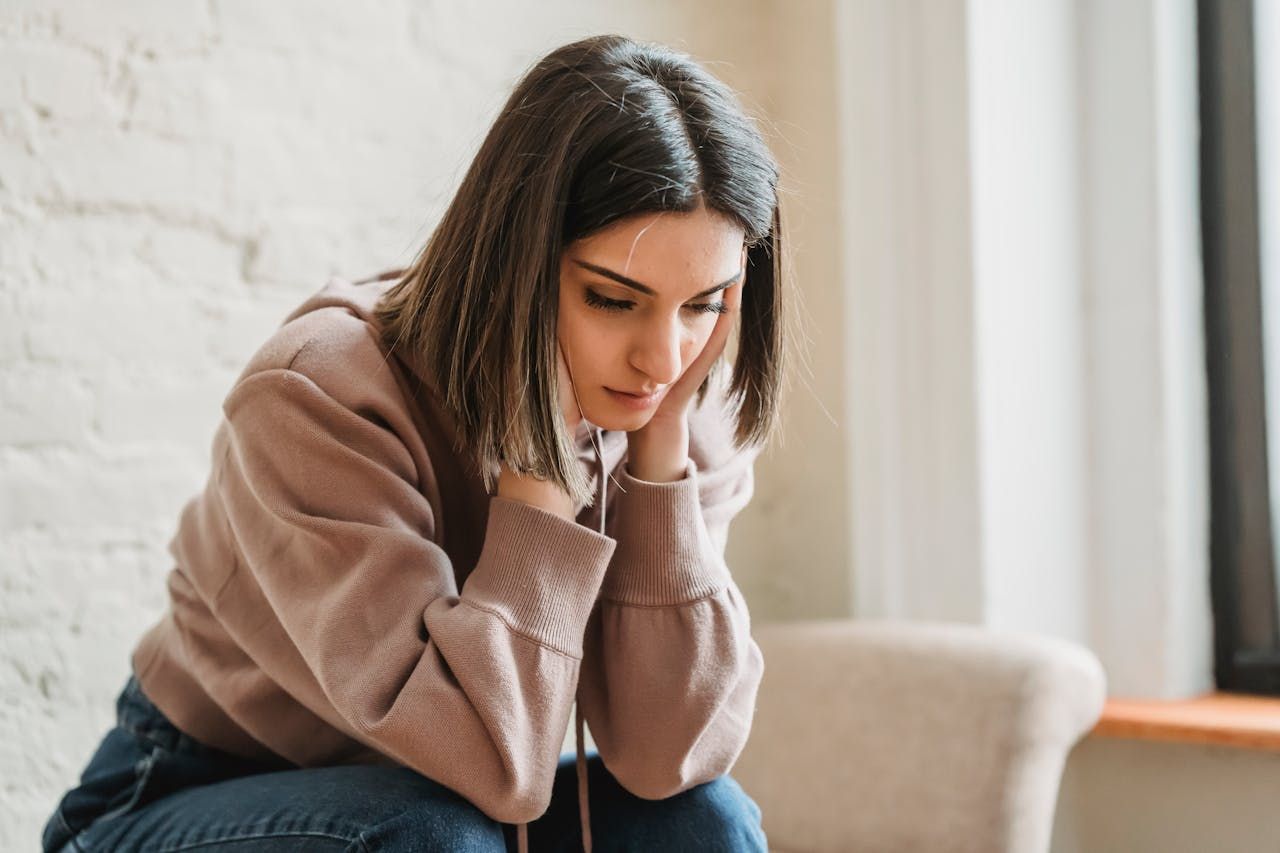
Mental health symptoms in women do not always look the way people expect. Some of the most important warning signs of depression in women and other disorders present quietly.
- Persistent sadness or a feeling of emptiness that lingers without a clear cause
- Increased irritability or unexplained mood swings
- Constant fatigue that does not go away with rest
- Difficulty falling or staying asleep
- Changes in appetite, eating significantly more or less than usual
- Pulling away from friends and family
- Frequent unexplained physical complaints
- Reduced performance at work or difficulty concentrating
- Losing interest in things that once brought joy
These are mental health symptoms women should take seriously. If you notice these signs in yourself or someone you care about, seeking support early is crucial.
Tips for Women’s Mental Wellbeing
Taking care of your mental health is not a luxury; it’s essential. Below are some practical tips that can truly improve women's overall wellness.
- Prioritize your sleep and nutrition. Your body and mind are deeply intertwined. Getting quality sleep and maintaining a balanced diet can really help regulate your mood and lessen feelings of anxiety and depression.
- Regular physical activity is one of the most effective ways for women to cope with stress, depression, and anxiety. It does not have to be a high-intensity workout; what matters most is making it a consistent part of your routine.
- Engaging in breathwork, meditation, and taking intentional breaks allows your nervous system to recover from daily stressors. These are not passing trends. They are practical tools that genuinely support mental wellbeing.
- Consider seeking therapy or counseling. There is real strength in reaching out to a professional. A therapist can provide you with tools, fresh perspectives, and a safe space that many other relationships simply cannot offer.
- Lastly, build your support network. Self-care for women includes having a community. Surround yourself with trusted friends, family, and mental health professionals to create a solid foundation for your mental health.
Your Mental Health Matters
The discussion around women breaking barriers is crucial, but so is the conversation about their well-being. Mental health awareness for women should be at the forefront of how we celebrate, support, and invest in women everywhere.
A woman might appear to be thriving on the outside, yet still face struggles behind closed doors. To truly celebrate women, we need to acknowledge that reality, not just focus on the highlights.
Take a moment for your mental health. Reach out and talk to someone. Treat yourself with the same care and energy you dedicate to everything else in your life.